Building Leaders Beyond the Game
For Philadelphia Eagles Assistant Head Coach and Running Backs Coach Jemal Singleton, football has always been about more than the game. A former United States Air Force Academy football player, military veteran, Super Bowl champion, and longtime NFL coach, Singleton’s journey has been shaped by service, leadership, mentorship, and a commitment to developing people.
A Foundation Built Through Service and Football
Singleton’s story began far from the football fields of the United States. Born in Turkey and raised through his father’s Air Force career, he experienced different cultures and environments that shaped his perspective from an early age.
“I’m an old ball coach that’s moved around a bunch,” Singleton said. “The experiences that I spent overseas and on military bases are a big part of who I am.”
That journey eventually led him to the United States Air Force Academy, where he played football and began developing the leadership qualities that would define his coaching career. It was also where Singleton began coaching under the influence of legendary Air Force head coach Fisher DeBerry, a mentor who impacted him far beyond football.
“One of the coaches that you could truly say cared more about what type of man I became, not just what type of football player I became.”
That philosophy has remained central to Singleton’s own approach as a coach.
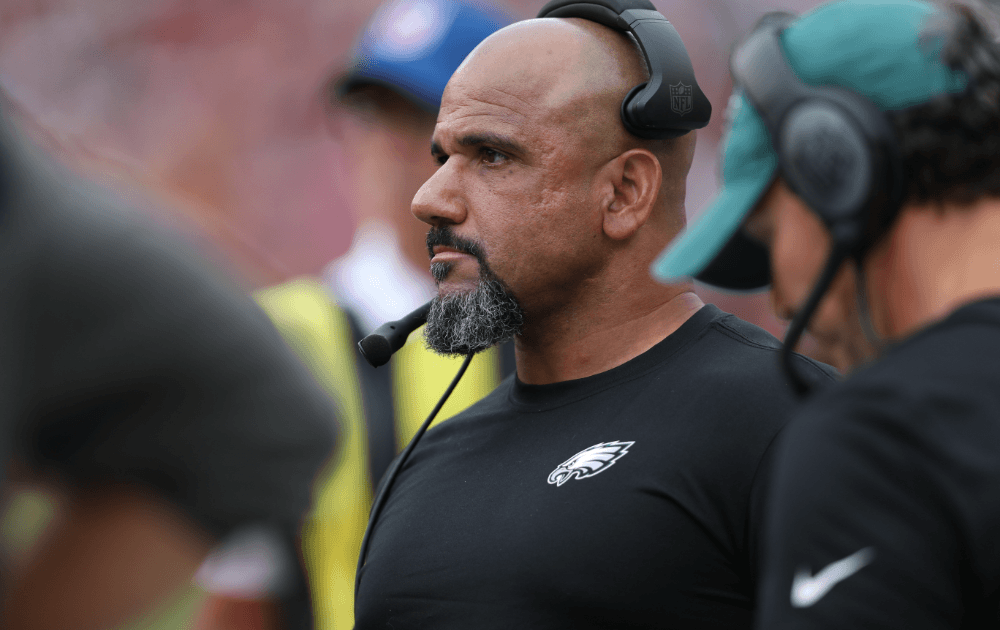
Lessons that stay
For Singleton, the connection between aspects learned through military service and football has always been clear to Singleton. Aspects such as teamwork, punctuality, reliability, and leadership are all extensions of those lessons taught as a coach.
“My military background is still a huge part of my day-to-day life,” Singleton said. “The lessons I learned at the academy, the lessons I learned serving active duty, have been paramount.”
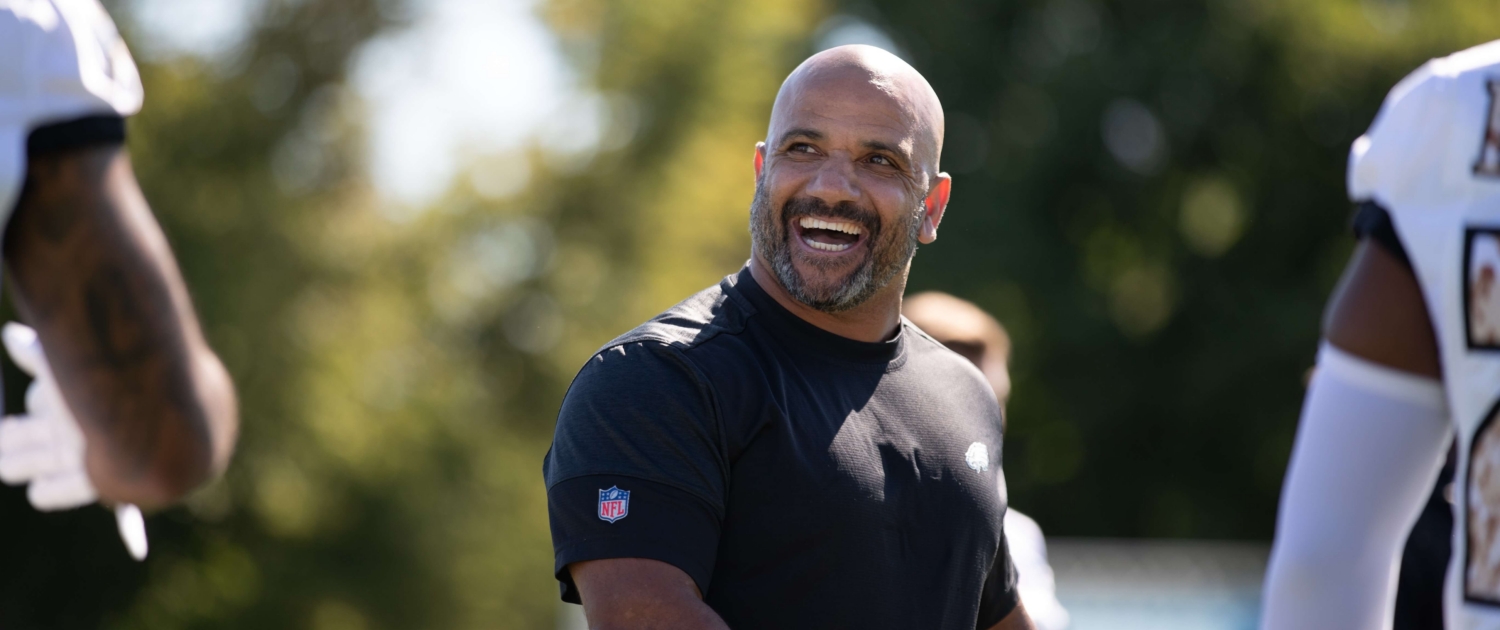
Building trust with players
Singleton’s coaching philosophy starts with relationships. He believes players respond best when they know a coach genuinely cares about them as people, not just as athletes.
That trust allows him to coach harder, push for improvement, and help each player grow by even a small margin. For him, the job is not only about teaching technique; it is about helping athletes become the best version of themselves.
They don’t care how much you know till they know how much you care. If they know you care, they’ll let you coach them harder.
Family and balance
Away from football, Singleton’s life is rooted in family, faith, and a very different kind of daily rhythm. With a wife and daughter who share a passion for horses, Singleton has found a world completely separate from football.
“When I’m at work, I’m at work. I hit that gravel road, I’m pulling up to the house. Now I’m at home.”
He describes home as a place where he can step out of work mode and be present with his family, whether that means helping on the farm, traveling to rodeos, or simply enjoying a quieter pace. That separation helps him stay grounded and fully engaged in both parts of his life.
Looking ahead
Singleton wants his legacy to be bigger than football. He hopes former players remember him not only as a coach, but as someone who helped them become better men, husbands, and fathers.
“I’d love to have former players say, ‘He helped me become a better man. He helped me be a better husband. He helped me be a better father.’”
Singleton’s story is about more than football. It is about a life shaped by service, strengthened by mentorship, and guided by a quiet commitment to lead with purpose. From the military to the academy, from the college ranks to the NFL, he has carried the same standard everywhere he has gone: work hard, stay authentic, and invest in people.
That mindset has helped him build teams, develop players, and influence coaches in a way that extends far beyond the field. Not just the wins, the Super Bowls, or the stops along the way, but the lives he has helped shape and the example he continues to set for his family, his players, and the next generation of coaches.
Interview conducted by Aaron Sanders.
Listen in Jemal’s story in his own words: